- DZR Brass yog dab tsi?
- Dezincification yog dab tsi?
- DZR tooj dag qib thiab muaj pes tsawg leeg
- Cov qauv thiab cov kev cai tam sim no
- Cov Kev Cai Cim Rau DZR Fittings
- Txoj Kev Xeem Rau DZR Brass
- Qhov Zoo ntawm DZR Brass Valve
- BMAG DZR Brass Valve
Dezincification Resistant Brass (DZR Brass) tau dhau los ua ib qho tseem ceeb ntawm cov khoom siv hauv kev lag luam kav dej, tshwj xeeb tshaj yog rau cov ntawv thov valve. Tus naj npawb ntawm cov neeg siv xaiv DZR Brass Valve tab tom nce zuj zus, qhia tias cov pej xeem qhov yuav tsum tau ua rau cov dej zoo thiab cov khoom siv valve tau nce zuj zus.
DZR Brass yog dab tsi?
DZR tooj dag(Dezincification Resistant) yog qhov tshwj xeeb tooj liab alloy engineered los tiv thaiv dezincification, cov txheej txheem corrosion uas cuam tshuam rau tus qauv tooj dag hauv qee qhov chaw ib puag ncig.
Dezincification yog dab tsi?

Dezincification, lossis leaching ntawm zinc, tshwm sim thaum zinc raug xaiv tawm ntawm cov tooj dag alloy, tawm hauv qab ib tug porous.
The occurrence of dezincification corrosion in brass is closely linked to the zinc content in copper-zinc alloys. e, when the zinc content is below 15%, dezincification corrosion is unlikely to happen; Txawm li cas los xij, the alloy’s erosion resistance is compromised. Increasing the zinc content can enhance both the strength and erosion resistance of the alloy, but it also raises the risk of dezincification corrosion.
When the zinc content exceeds 20%, the zinc tends to dissolve preferentially in aqueous solutions. This process leaves the copper structure porous, leading to a decrease in the strength of the brass.
Dezincification of brass is more likely to happen in seawater and solutions containing salts, such as NaCl and CuCl2.
The resistance mechanism in DZR brass is achieved through control of the alloy composition. Incorporating small amounts of elements such as As/Sb/P/B/Al and rare earth, and maintaining specific copper-to-zinc ratios, create an alloy that effectively inhibits zinc leaching in water conditions.
DZR tooj dag qib thiab muaj pes tsawg leeg
Common Brass Grades
CW602N/CZ132(CuZn36Pb2As):
CW724R (CuZn21Si3P):
CW511L (CuZn38As):

Cov qauv thiab cov kev cai tam sim no
Various countries and regions have established standards for DZR brass and its use in valves:
European Union: EN 12165 (Copper and copper alloys – Wrought and unwrought forging stock)
United Kingdom: BS EN 12165, BS 6920 (Suitability of non-metallic products for use in contact with water intended for human consumption)
Australia/New Zealand: AS/NZS 4020 (Testing of products for use in contact with drinking water)
United States: ASTM B124 (Standard Specification for Copper and Copper Alloy Forging Rod, Bar, and Shapes), NSF/ANSI 61 (Drinking Water System Components – Health Effects)
International: ISO 6509 (Corrosion ntawm cov hlau thiab alloys – Kev txiav txim siab ntawm dezincification tsis kam ntawm tooj liab alloys nrog zinc)
Cov Kev Cai Cim Rau DZR Fittings
Cov teb chaws sib txawv muaj cov kev xav tau tshwj xeeb rau kev cim DZR tooj dag fittings:
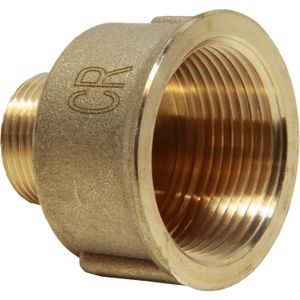
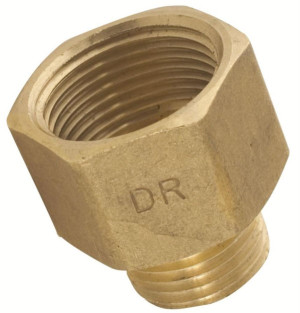
Cov kav dej fittings uas tiv taus dezincification yog cim tsim nyog, nrog cov tsiaj ntawv “CR” (Corrosion Resistant) lossis DZR (dezincification resistant) hauv tebchaws Askiv, thiab cov tsiaj ntawv “DR” (dezincification resistant) hauv Australia.
Txoj Kev Xeem Rau DZR Brass
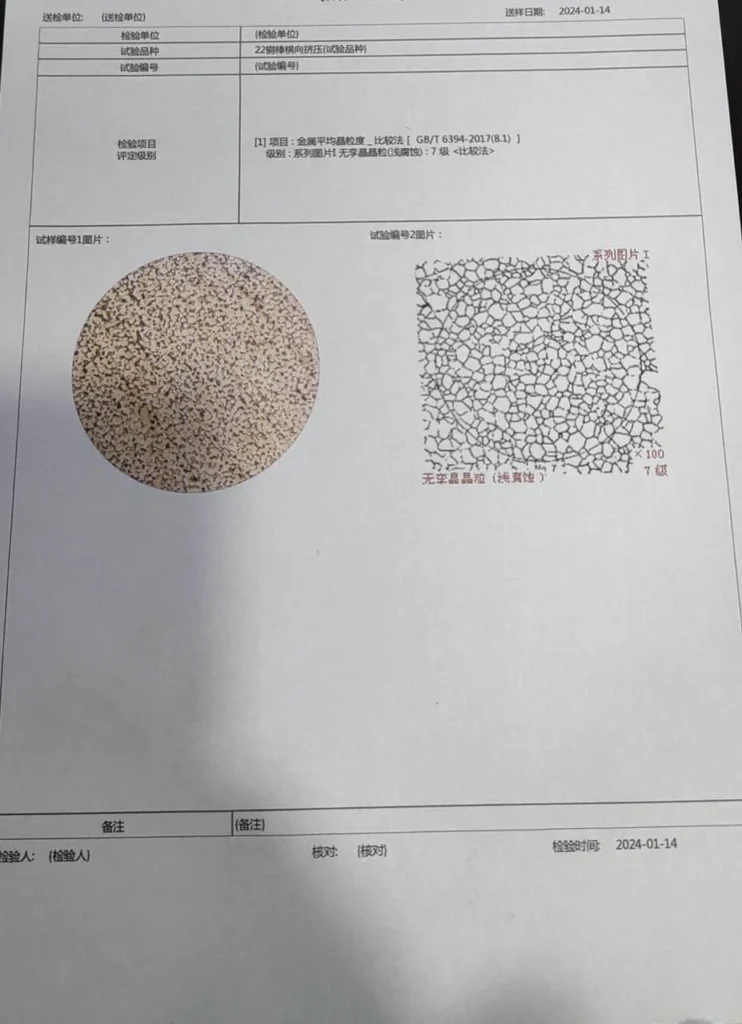
Thawj txoj kev kuaj rau DZR tooj dag yog teev tseg hauv ISO 6509:
(1) Kev npaj qauv: Cov qauv yog polished thiab ntxuav.
(2) Raug raug: Cov qauv yog raus rau hauv tooj liab chloride tov ntawm qhov kub siab (feem ntau 75 °C) rau ib lub sijhawm tshwj xeeb (feem ntau 24 Teev).
(3) Kev ntsuas: Tom qab kis tau, cov qauv yog ntu thiab qhov tob ntawm dezincification yog ntsuas los ntawm cov txheej txheem microscopy.
(4) Kev Ntsuam Xyuas: Q, h 200 o.

Qhov Zoo ntawm DZR Brass Valve
Enhanced corrosion resistance, t
o
b
Compliance with stringent drinking water regulations